The Growing Need for Heavy Mechanics
In recent years, there has been a significant increase in the demand for heavy mechanics and technicians across a wide array of industries. This trend can be attributed to various factors, the foremost being the substantial investments in infrastructure worldwide. Governments and private sectors are making concerted efforts to upgrade existing facilities and develop new ones, including roads, bridges, and public transport systems. These initiatives create a pressing need for professionals skilled in maintaining and repairing heavy machinery that plays an instrumental role in infrastructure development.
Alongside infrastructure growth, population expansion is another driving factor contributing to the demand for heavy mechanics. As cities become more populous, the need for reliable public services and efficient transportation systems intensifies. Heavy machinery is central to construction and public works, requiring a skilled workforce to ensure these machines operate safely and efficiently. Consequently, job security and stability are promising for those entering this field.
The heavy machinery sector is also experiencing advancements in technology, resulting in more complex devices requiring specialized knowledge. As industries evolve and machinery becomes increasingly sophisticated, the technicians capable of diagnosing and resolving issues with these machines are essential. This growing complexity underscores the need for ongoing education and training, positioning those interested in a heavy mechanic career advantageously within the job market.
Furthermore, the reliability and upkeep of heavy equipment are paramount for operational success in manufacturing, construction, and transportation. Companies are increasingly aware that maintaining high-performance machinery directly impacts their productivity and bottom line. This recognition translates into a stable demand for qualified heavy mechanics who can diagnose and fix issues promptly, ensuring minimal downtime.
Solid Demand and Job Stability in Heavy Mechanic Careers
The profession of heavy mechanics offers a promising career choice due to its solid demand and job stability in various industries. As economies grow and infrastructure develops, the need for skilled technicians to maintain and repair heavy machinery becomes increasingly critical. Heavy mechanics are essential in industries such as construction, mining, agriculture, and transportation, all of which rely heavily on robust equipment to function efficiently.
In construction, as new projects arise and older structures require maintenance, heavy machinery such as bulldozers, excavators, and cranes are in constant demand. Heavy mechanics ensure that this equipment is running efficiently and safely, thereby supporting the progression of construction projects. Similarly, in the mining sector, the reliance on heavy machinery for extracting resources bolsters the need for qualified technicians who can manage and repair equipment under demanding conditions.
Agriculture is another industry where heavy mechanics play a pivotal role. As the agricultural sector embraces advanced machinery for planting, harvesting, and transporting goods, the expertise of heavy mechanics is necessary to ensure operational efficiency. This trend of modernization creates consistent job opportunities, as skilled technicians are needed to maintain sophisticated agricultural equipment.
Furthermore, the transportation sector, encompassing logistics and freight movement, greatly depends on heavy vehicles like trucks, trailers, and buses. The rising demand for efficient transportation of goods and people underscores the necessity for competent heavy mechanics to provide necessary repairs and maintenance. The versatility in job roles across various sectors enhances job security for heavy mechanics.
In conclusion, the robust job market for heavy mechanics stems from their vital role in supporting industries that are crucial to the economy. The persistent need for skilled technicians in construction, mining, agriculture, and transportation guarantees not only immediate job prospects but long-term career stability as well.
Competitive Pay: A Financially Rewarding Career
Choosing a career as a heavy mechanic or technician can be financially advantageous. This profession typically offers an attractive salary range that varies based on factors such as location, experience, and the specific industry segment. On average, heavy mechanics earn between $45,000 and $80,000 annually, with some experienced professionals in specialized fields earning even more. In addition to a strong base salary, heavy mechanics may benefit from overtime pay. Many employers incentivize extra hours, allowing technicians to increase their overall earnings. This is particularly prevalent in industries that rely on heavy machinery, such as construction and transportation, where equipment downtime can lead to substantial losses.
Moreover, heavy mechanics frequently have the opportunity to work shifts that come with differentials, further enhancing their pay structure. For instance, those who work evening or weekends often receive additional compensation, making it a financially appealing career choice. By embracing irregular hours, heavy mechanics can optimize their earnings while garnering experience and enhancing their skill sets.
When comparing salaries in the trades, it becomes evident that heavy mechanics often earn more than many other skilled labor professions. For example, electricians and plumbers typically have salaries within the same range; however, heavy mechanics may have a higher potential for earnings given the positive demand for skilled technicians in industries such as agriculture, commercial transport, and mining. This sector’s proclivity for advanced machinery escalates the need for proficient mechanics, ensuring job stability and financial security.
In addition to competitive pay, many employers provide additional perks such as health insurance, retirement benefits, and paid time off, making this career not just rewarding financially, but also offering security and stability. Overall, a career as a heavy mechanic promises a blend of financial rewards and long-term growth in a growing industry.
Hands-On Work: A Career for the Practical Thinker
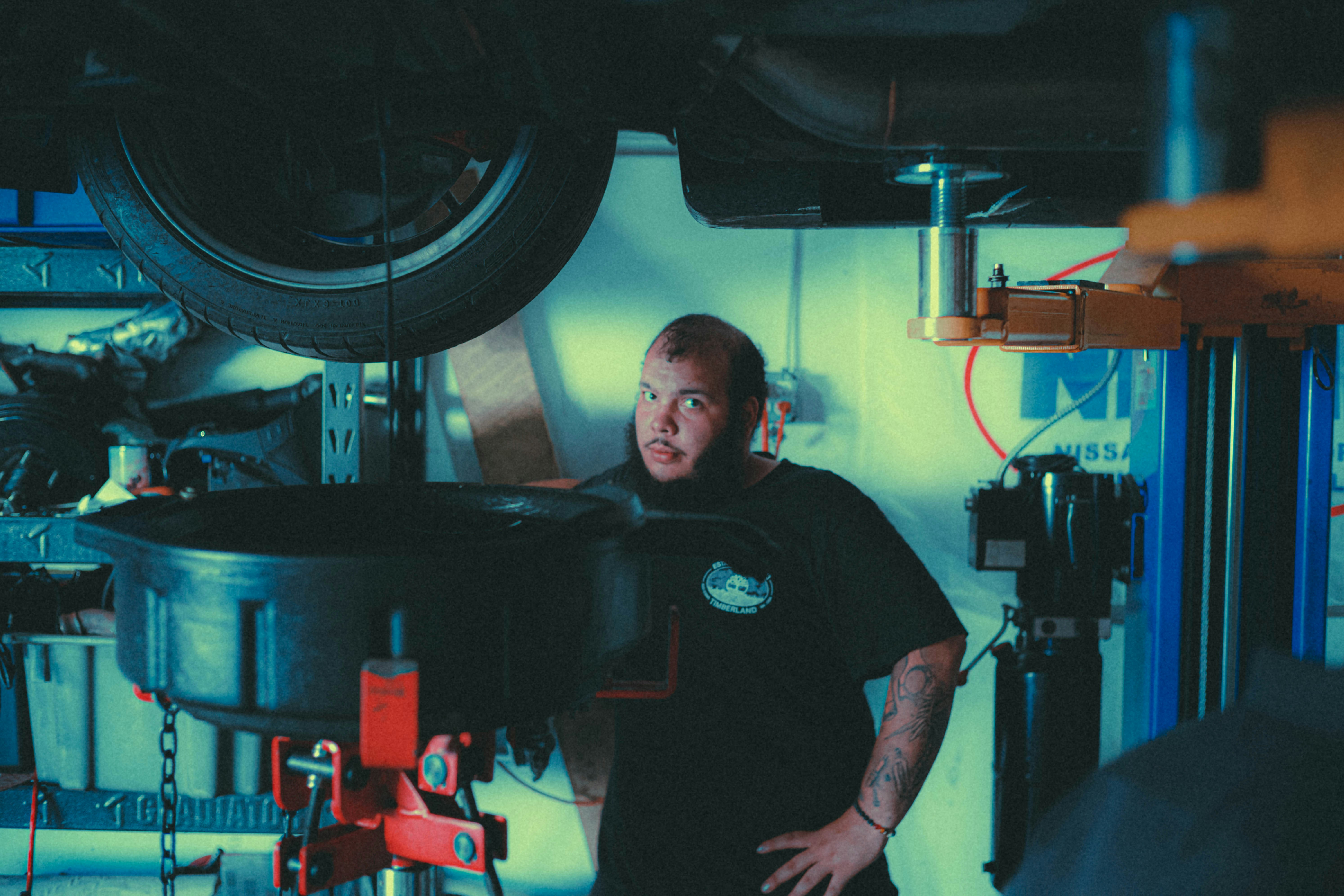
A career as a heavy mechanic or technician offers a unique opportunity for individuals who thrive in hands-on environments. This profession is characterized by practical, physical work that involves the repair, maintenance, and troubleshooting of large machinery and equipment, such as bulldozers, cranes, and other heavy vehicles. For those who enjoy working with their hands and solving mechanical problems, this field presents a fulfilling and engaging pathway.
The daily responsibilities of heavy mechanics encompass a variety of tasks that require technical skills and a methodical approach to problem-solving. Mechanics often assess the condition of machines, identify malfunctions, and implement corrective actions. This hands-on involvement not only enhances one’s craftsmanship but also allows for a deeper understanding of complex systems, fostering an environment of continuous learning and skill development.
The satisfaction derived from seeing immediate results from one’s work is a significant aspect of this career. Heavy mechanics witness the direct impact of their efforts, as they restore equipment to working order, thereby facilitating efficiency in various industries. This tangible outcome brings a sense of accomplishment that can be deeply rewarding, especially for those who value practical achievements over abstract accomplishments.
Moreover, the physical engagement inherent in heavy mechanics’ work promotes a dynamic and active lifestyle. Instead of being confined to an office environment, technicians often find themselves in diverse settings, adjusting to different challenges each day. This variety keeps the job interesting and allows practitioners to adapt and learn continuously. In essence, a career in heavy mechanics is not merely a job; it is a profession suited for those who are practical thinkers and hands-on workers seeking a tangible connection to their labor.
Variety and Problem-Solving in Heavy Mechanics
Working as a heavy mechanic or technician involves engaging with a wide range of challenges each day, which effectively makes every workday unique. This role is not just about routine maintenance; it encompasses diverse repair jobs that require comprehensive knowledge spanning electrical systems, hydraulic mechanisms, and diesel engines. Heavy mechanics often find themselves tackling problems that are complex and multifaceted, demanding critical thinking and inventive solutions.
The appeal of being a heavy mechanic lies significantly in the problem-solving aspect of the job. For individuals who enjoy deciphering puzzles, this career path offers an abundance of opportunities to apply analytical skills. Each repair job may present novel issues such as diagnosing a malfunctioning hydraulic system or troubleshooting intricate electrical circuits, which perpetuates a continual learning environment. This is especially beneficial for those who thrive in hands-on work and enjoy witnessing the tangible results of their efforts.
Moreover, as technology continues to evolve within the heavy machinery industry, mechanics are compelled to keep their skills up to date. This ongoing need for education and adaptation adds an exciting layer of variety to the role. Whether it’s learning about advanced computerized systems or modern diagnostic tools, heavy mechanics are perpetually on the cutting edge of technological advancements. Such a dynamic work environment not only enhances job satisfaction but also fosters a sense of accomplishment, as professionals see the direct impact of their expertise in the field.
Therefore, for those who derive satisfaction from problem-solving and enjoy the continuous challenge of learning, becoming a heavy mechanic is an appealing career choice. The diversity of tasks and the intellectual engagement required ensures that no two days are ever the same, making it a rewarding profession for many individuals.
Advancement Opportunities and Specialization Options
The field of heavy mechanics and technicians is characterized by a multitude of advancement opportunities and specialization options. For professionals in this industry, there are various career pathways available that not only enhance technical skills but also lead to leadership roles and greater responsibilities. One significant advancement route is moving into a supervisory position within a repair shop. As a shop supervisor, a heavy mechanic can oversee daily operations, manage a team of technicians, and ensure that vehicles and equipment are serviced efficiently and up to industry standards.
Another pathway involves transitioning into fleet maintenance management, where one is responsible for the maintenance and repair of a fleet of vehicles, ensuring safety and operational efficiency. In this role, heavy mechanics are tasked with creating maintenance schedules, managing budgets, and optimizing the performance of each vehicle. The expanded scope of these responsibilities often necessitates additional training and experience, making this an attractive option for those looking to further their careers.
For those pursuing specialized roles, options abound within the heavy mechanic profession. Specialization can include fields such as diesel mechanics, hydraulic systems, or even advanced technologies such as diagnostics and electronic systems. Continuous education plays a crucial role in enabling professionals to stay abreast of industry trends and technological advancements. Enrolling in courses, attending workshops, and acquiring relevant certifications greatly enhance one’s prospects for specialization.
Moreover, networking with industry professionals and participating in professional organizations can also open doors to advancement and learning opportunities. The commitment to lifelong learning and skill enhancement is essential for those looking to make significant strides in their career as heavy mechanics and technicians. Ultimately, the combination of advancement prospects and specialization options makes this career path not only stable but also rewarding for those willing to invest in their professional development.
Transferable Skills: A Career That Moves with You
One of the most attractive aspects of pursuing a career as a heavy mechanic or technician is the acquisition of transferable skills that are applicable across various industries. The competencies developed in this role are not solely confined to heavy machinery but can be utilized in several other fields, offering professionals a level of flexibility that can enhance career mobility.
Heavy mechanics develop strong technical abilities, including problem-solving, analytical thinking, and mechanical knowledge. Through hands-on experience with complex machinery and vehicles, heavy mechanics hone their capacity to diagnose and troubleshoot a wide range of issues. These skills are highly sought after in industries such as automotive repair, aviation maintenance, and even renewable energy sectors where machinery and equipment demand similar expertise.
Furthermore, attention to detail is cultivated in this profession, ensuring that every part and process is meticulously checked. This emphasis on precision can seamlessly transfer to roles in manufacturing and production, where quality control is paramount. Training in safety protocols and compliance as a heavy mechanic prepares professionals to adapt to various workplace regulations, which is essential in healthcare environments or construction sites.
Additionally, interpersonal skills, such as communication and teamwork, are critical. Heavy mechanics often work within diverse teams, collaborating with engineers, technicians, and other personnel. This experience enhances one’s ability to work effectively in collaborative settings, a vital asset across many industries, including education and business management.
In conclusion, the transferable skills gained as a heavy mechanic or technician not only bolster one’s marketability in the heavy machinery sector but also provide numerous opportunities for career growth and exploration in various other fields. This versatility can lead to a fulfilling professional journey, making it a wise consideration for potential technicians.
Certifications and Training Paths for Success
For individuals considering a career as a heavy mechanic or technician, understanding the required certifications and training pathways is crucial. The heavy mechanic profession requires specific knowledge and skills to effectively repair, maintain, and troubleshoot large machinery and equipment. Aspiring mechanics typically have several options for gaining the necessary education and practical experience.
One viable route is enrolling in a trade school that specializes in heavy equipment technology. These institutions offer programs tailored to the needs of the industry, combining classroom instruction with hands-on experience. Completing a program at a trade school often provides graduates with a solid foundation in critical areas such as hydraulic systems, diesel engines, and electronic diagnostics. Additionally, many trade schools have connections with employers, facilitating internships or job placements for students.
Another significant pathway is through apprenticeships, which allow individuals to work under the supervision of experienced heavy mechanics. Apprenticeships typically blend formal education with on-the-job training, offering a comprehensive approach to learning the trade. This real-world experience is invaluable, as it helps aspiring mechanics develop practical skills in a variety of settings while earning a salary during their training. Furthermore, completing an apprenticeship can lead to certification and enhance one’s employability.
Additionally, pursuing industry-specific certifications can significantly boost a mechanic’s credibility and job prospects. Organizations such as the National Institute for Automotive Service Excellence (ASE) provide certifications that are well-recognized within the industry. Such certifications demonstrate a thorough understanding of heavy equipment mechanics and can lead to higher pay potential and job advancement opportunities.
In summary, choosing the right training path as a heavy mechanic is essential for success in this demanding field. Whether through trade schools, apprenticeships, or industry certifications, gaining proper education and experience lays the groundwork for a rewarding career.
Conclusion: Embracing a Rewarding Career as a Heavy Mechanic
Choosing to become a heavy mechanic or technician is not merely an option; it represents an opportunity for a stable and fulfilling career. The reasons for considering this pathway are multifaceted. Firstly, the demand for skilled heavy mechanics remains robust, providing job stability that is rare in many other sectors. With advancements in technology and increased reliance on heavy machinery across various industries, the need for qualified technicians continues to grow.
Furthermore, this profession offers a competitive salary, making it an attractive choice for both newcomers and those looking to transition careers. Heavy mechanics often find that their income reflects the essential nature of their work, particularly as they gain experience and specialization. The financial rewards are accompanied by the satisfaction of engaging in hands-on work, which can be inherently fulfilling. The ability to diagnose, repair, and maintain substantial machinery not only fosters a sense of accomplishment but also contributes to the overall efficiency and productivity of industries.
Additionally, the field of heavy mechanics provides various growth opportunities. As technology evolves, so do the skills required in this trade. This encourages ongoing education and training, enabling technicians to keep pace with innovations such as electric and automated machinery. With opportunities to advance to supervisory roles or into specialized areas, the career path can be as dynamic as it is rewarding.
In conclusion, the pursuit of a career as a heavy mechanic offers a combination of stability, competitive pay, and personal fulfillment through hands-on work. With continuous opportunities for growth and development, it is an intelligent choice for those seeking a viable path in today’s job market.